
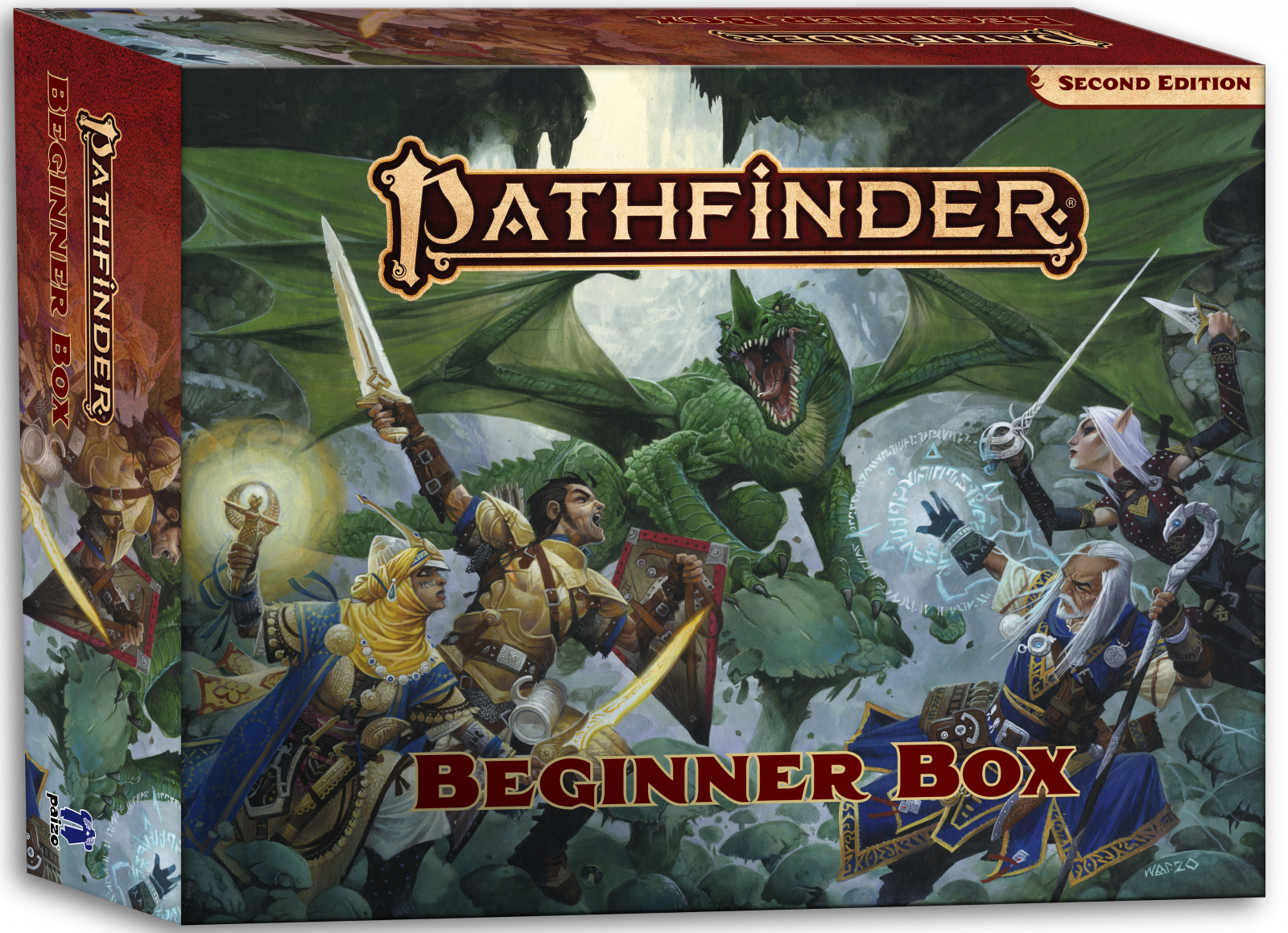
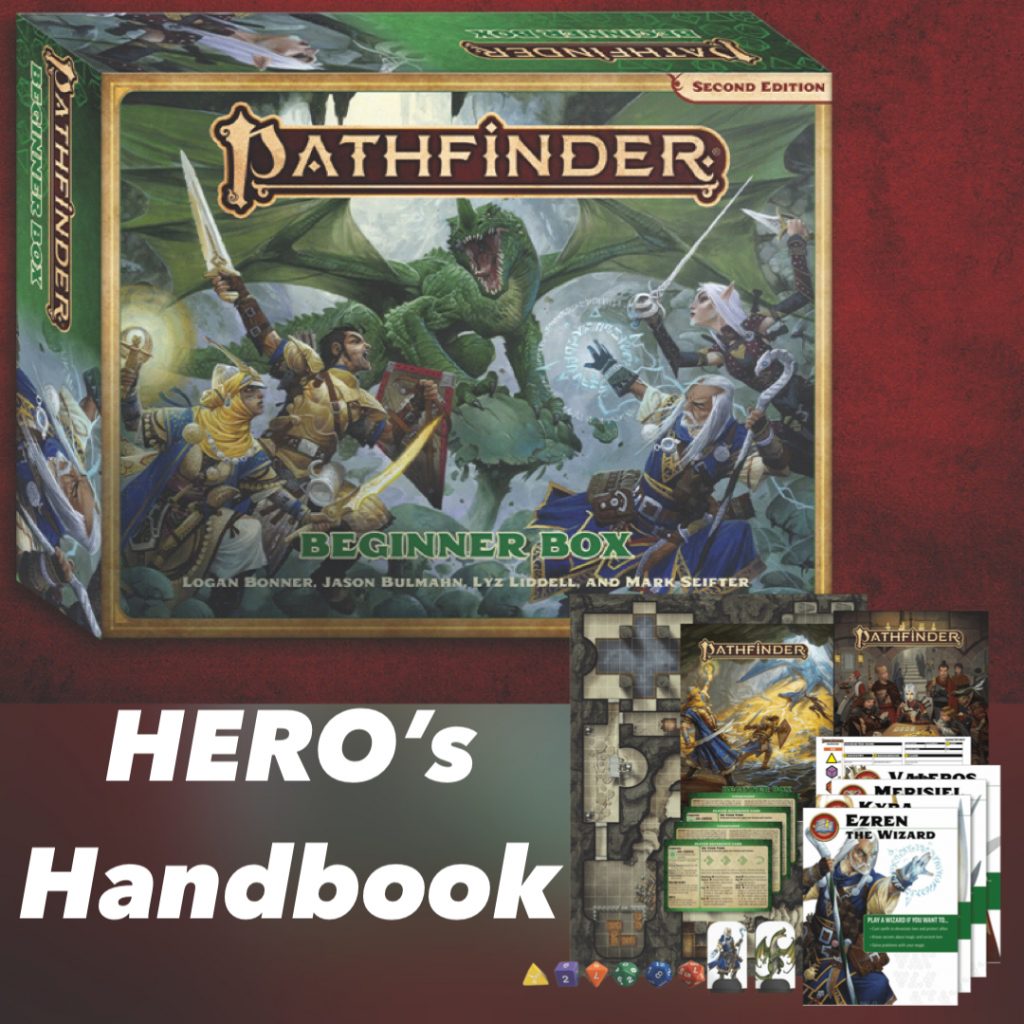
Right off the bat, something that both amuses and pleases me about this book is the fact that it opens on an example of gameplay. I know that when I started tabletop RPG games, even though it was not Pathfinder in particular, the mere sight of a character sheet was overwhelming. So it was nice to see that the book, instead, begins by reminding the player what they are working towards. After all, we love to share the stories of an adventure, not the numbers on the page.
The book then proceeds to explain the basic terminology of the game. This much is more or less expected, though it is still pleasing to see that the terminology is all explained at the beginning, as opposed to forcing the reader to jump back and forth from a glossary at the back to whatever section they are on at the moment. Mind you, if the reader is like me, then they very well may need to flip back and forth anyways!
Next, of course, we are on to the character creation process, the real reason we all enjoy a good RPG game. As handy as it is to have everything laid out in the order of the simplest way to go about the process, I still would recommend reading the entire way through before beginning. There are some things towards the end that become important, that I would have liked to have seen earlier on. All in all, though, the author seems to understand where one should start- the basic idea.
In the past, I have asked people about this sort of game trying to gather information about whether or not it is the type of thing I would enjoy, and end up being bombarded with lore and information about the world, to the point where I am checked out before I have even begun to think about characters. However, as far as the world lore is concerned, a reader, or I suppose a new player, is only offered the basics that they would need to know to understand the absolute basics. Even then, it is only in the class section that requires some lore to build that type of character. A disinterested player could skim over that part and still get by just fine.
So far, I have been feeling altogether rather positively about this book, however, this is intended to be a review, so it would be dishonest to not include a few downsides I have seen. The first of which is actually the same thing I just praised this book for: the inherent lack of lore. I am looking mostly at the players who are interested in clerics for this bit of criticism. There are only three deities spoken about, however, I know that there are many more in the world that are not spoken about, and what is said is brief. If one wishes to play this particular class, I would highly recommend gathering more information before making such an important decision for their character.
There are also a few game mechanics that I do not know if a new player could properly understand based on this guide alone, and really need to be learned through gameplay. I am not sure what a good fix for that would be, but it still feels worth mentioning. The first example of this that comes to mind, and for me the biggest one, is the preparing of spells game mechanic. I know that in the first game I ever played, I played a class that needed to prepare spells, and it took a solid few months to figure out just how that worked, as well as which ones I usually needed. The way it works is explained simply enough, but there is no explanation offered in terms of how to choose the right ones. I anticipate that complaint could be explained away as learning through experience, but some guidance would be preferred, especially in a book with so much help offered elsewhere.
One other thing that is also heavily learned by doing things the wrong way for a long while is how to build a coherent party that compliments one another. Anyone who has played a tabletop RPG for a decent amount of time, or even one that follows other people’s games, surely knows the tropes and types of characters that make for a well-balanced party. This book tends to be more geared towards an individual trying to make a character for themselves, as opposed to being more team-focused. There is nothing inheritably wrong with that, it is simply a personal preference towards the cooperative elements of these types of games.
All in all, this book is formatted wonderfully. As I believe I have said in previous reviews, as well as in this one, I have not played Pathfinder specifically, but other RPG games in the past. After reading through this, however, I feel as though I could confidently sit down and create a new character myself. This is the right spot for someone who is new to begin their adventure.
You can find Pathfinder Second Edition, and all things Paizo, online at paizo.com or on Facebook at facebook.com/paizo.

Bailey is a vintage- loving author who likes to joke that she has an 80 000 year old soul, as her Twitch followers can attest. She spent much of her preteen and teenage years playing Descent, Shadowrun, Pathfinder, or whatever other tabletop RPG the GM found that week. She later turned that creative energy into writing, and now has multiple books published. Despite focusing on her novels, she can never quite resist the call of a new character or plot idea. You can find her on Facebook, Twitch, Patreon, and buy her books on Amazon.ca.